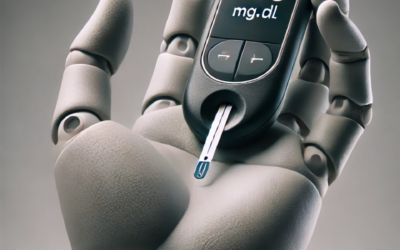
Software is at the core of many modern medical devices, from pacemakers to glucose-monitoring applications. Its correct functioning can be the difference between a safe treatment and a potential risk for the patient.
To ensure that medical software is reliable and developed in compliance with regulatory expectations, IEC 62304 provides the international standard that defines the requirements for the medical device software lifecycle.
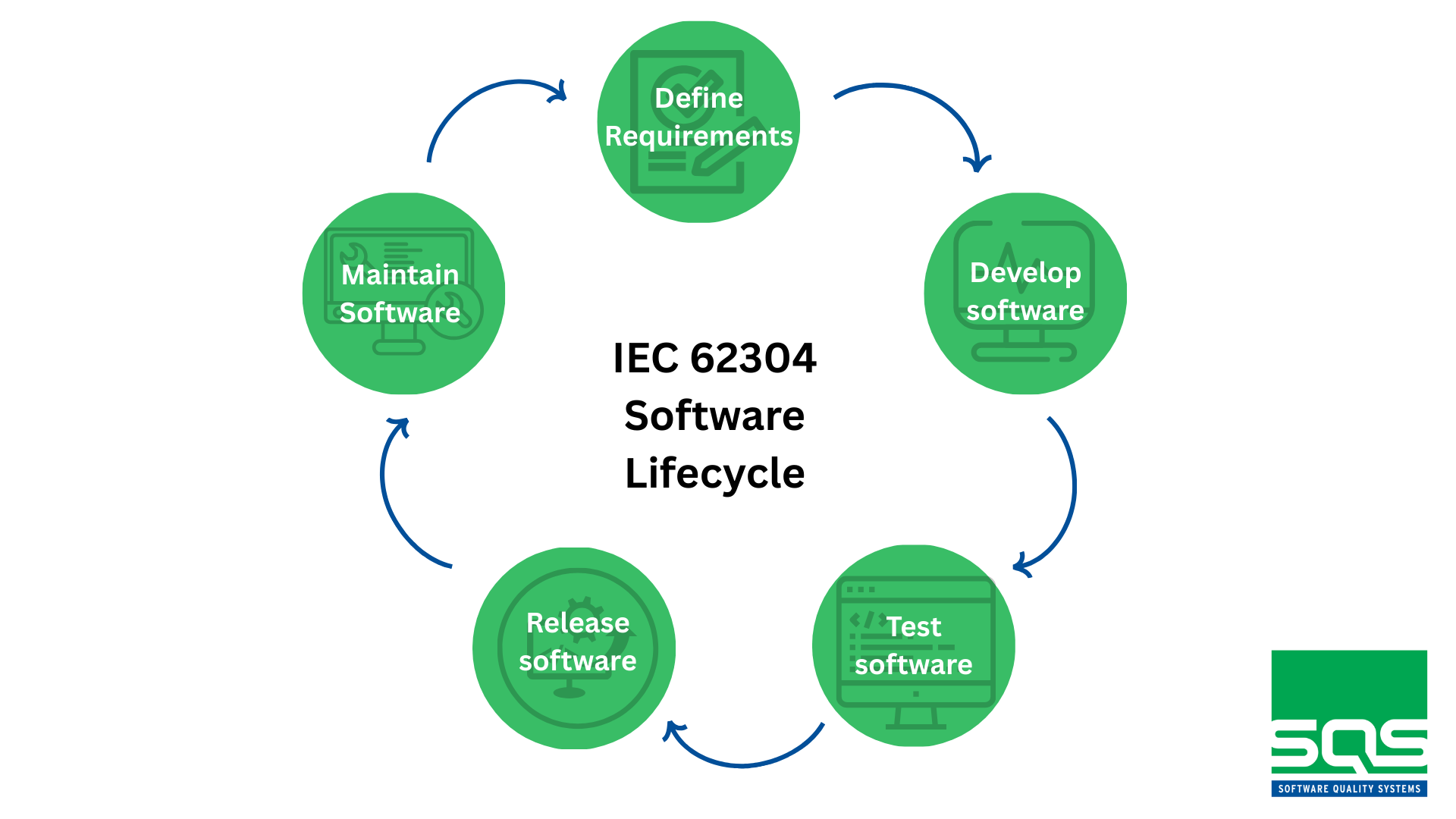
IEC 62304 establishes how to develop, test, and maintain medical software in a safe and traceable manner, and its application is essential to:
- Supporting CE marking in Europe through a well-defined software lifecycle.
- Supporting FDA authorization and review processes in the United States.
- Ensuring proper integration of software with device risk management (ISO 14971).
Unlike generic software standards, IEC 62304 focuses specifically on patient safety, traceability, and software risk control.
Key Benefits for Manufacturers
Compliance with IEC 62304 provides direct advantages in both safety and competitiveness:
- Improved patient safety through the identification and mitigation of critical risks.
- Reduced risk of non-conformities during audits and regulatory assessments.
- Process standardization, ensuring consistency in development, testing, and maintenance.
- Increased customer and user confidence, strengthening the company’s reputation in the medical sector.
Key Features and Differentiators of the Standard
IEC 62304 introduces several essential aspects that make it a reference framework for the medical industry:
- Software risk classification
The standard defines three software safety classes based on the potential harm in case of failure:
- Class A: Minimal risk
- Class B: Moderate risk
- Class C: Critical risk
For example, glucose-monitoring software requires extensive testing and comprehensive documentation (Class C), while a medical scheduling application follows a simpler process (Class A).
- Fully documentedsoftwarelifecycle
From requirements definition, architecture, implementation, verification, release to maintenance and updates.
- Integrated risk management
Every potential failure is analysed, evaluated, and mitigated following ISO 14971.
The relationship between risks, requirements, and verification activities must be fully documented.
- Formal verification
The standard defines verification activities only, meaning checking that the software meets its technical requirements.
Validation, which is part of regulatory compliance under MDR/IVDR, is performed at the system or device level and is outside the scope of IEC 62304.
- Software Maintenance and Problem Resolution
A core part of IEC 62304 is ensuring that safety is maintained after release. The standard requires:
- A documented maintenance process
- Evaluation of problems and incidents identified during use
- Classification and analysis of safety impact.
- Implementation and verification of corrections.
- Management of versions, patches, and updates.
- Full traceability of each change.
This approach aligns with ISO 14971 and ensures that the software remains safe throughout its entire lifecycle.
How IEC 62304 Drives the Medical Technology Industry
Proper application of IEC 62304 accelerates regulatory approval and shortens audit times, reducing legal exposure and the likelihood of recalls.
It also ensures higher patient safety and confidence, strengthening manufacturers’ reputation as leaders in safe medical software development.
How IEC 62304 drives the medical device industry
The application of IEC 62304 helps manufacturers to demonstrate control over software lifecycle, facilitates audits, reduces regulatory timelines, resulting in fewer recalls.
Additionally, it improves software quality and ensures greater patient safety and confidence in medical devices, improving manufacture’s reputation as leaders in medical software development.
How SQS Can Help You
At Software Quality Systems (SQS), we support healthcare and medical device companies in implementing IEC 62304 efficiently and pragmatically, aligning the regulatory baseline with their existing quality processes and ensuring compliance with the EU MDR and U.S. FDA requirements.
Our specialized services include:
- IEC 62304 compliance assessment
- Definition and implementation of the IEC 62304-compliant software lifecycle
- Support in verification and risk management
- Integration with ISO 13485 and ISO 14971
- Training and support during audits
With extensive experience in the medical device sector, we help organizations reduce compliance time and costs without compromising quality or safety.
Conclusion
IEC 62304 is a foundational standard for achieving safe, traceable, and reliable medical device software. Adopting it demonstrates a commitment to patient safety, quality, and responsible innovation.
SQS helps you implement IEC 62304 in a practical and efficient way, adapted to your company and your processes.
Contact us to learn how we can support you in validating and ensuring regulatory compliance for your medical device software.